
Research

Research can help a community to identify and better understand local problems. Through making observations, holding community discussions, carrying out questionnaires and conducting more in-depth interviews with individuals or households a community group can develop a deeper understanding of a problem. This can include gaining insight into the history and scale of a problem, how it affects different people in different ways, what local solutions and interventions might already be being practiced, and who is responsible for both perpetuating and resolving such problems.
To make sure that our arts interventions are really powerful and speak to local realities and situations we often draw on the results of research when we are making our performances. For example, we might write a poem or a script for a drama using verbatim quotes from interviews and focus group discussions, or we might come up with a storyline that brings together several experiences identified in different interviews. Research can therefore help us identify key themes and personal experiences and reflections on which to base our creative pieces. The closer our performative outputs reflect local experiences, the more powerful they become when sharing them with local communities and authorities.
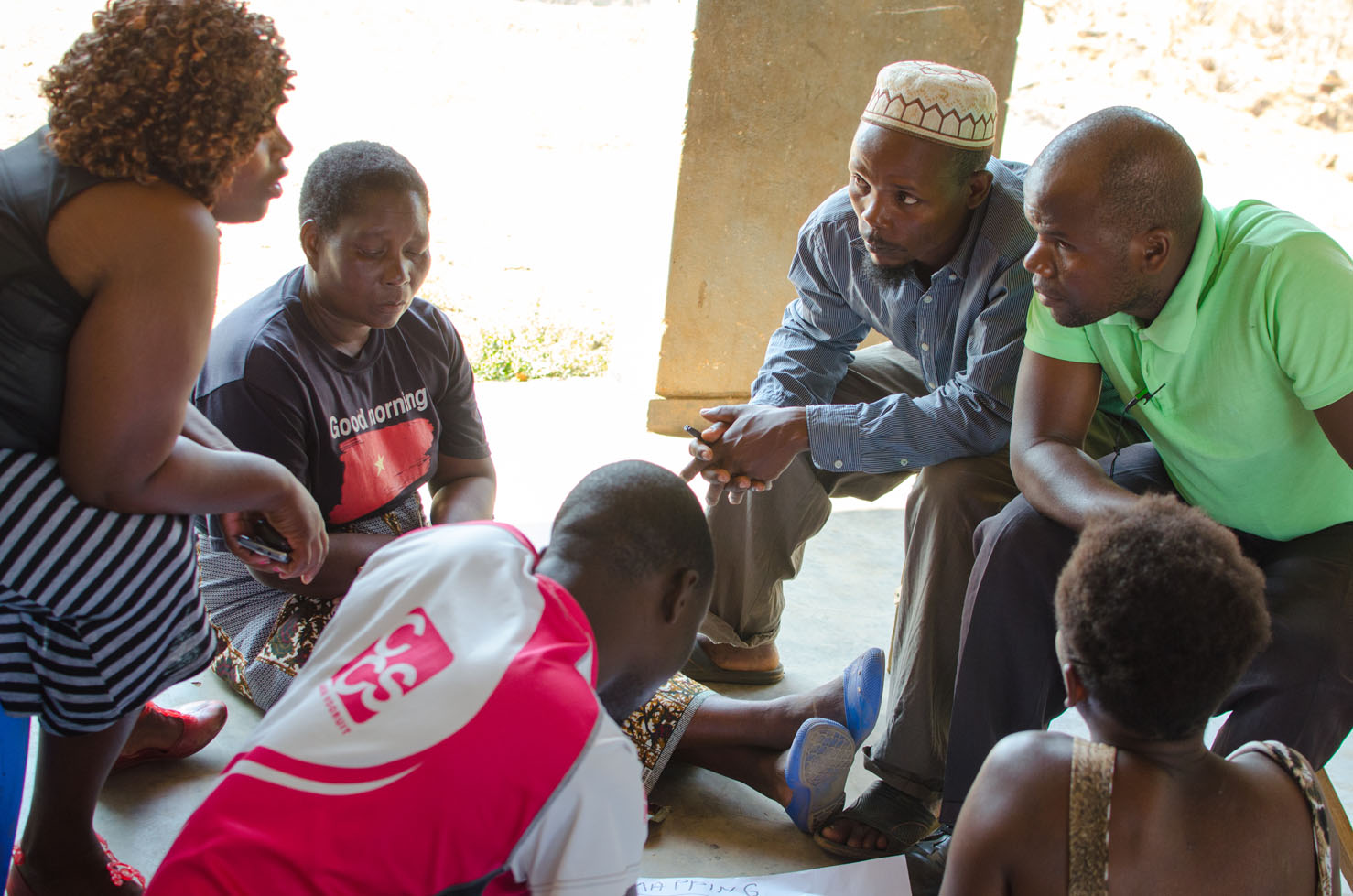
On this page you will find a toolbox of research methods we have used to develop our arts interventions. As researchers we have a responsibility to make sure our research is ethical and does not put ourselves or those who participate in our research at any risk of harm. There are, therefore, some key things to think about before you conduct any research, which we will address first.
Checklist for Ethical Research
It is important that you seek permission from the people you wish to conduct research with and that they take part voluntarily. This is called ‘informed consent’ and means that someone has chosen to take part in your research after you have informed them about the project and given them an opportunity to ask you any questions they might have. If you are conducting a more formal piece of research it is usually a good idea if you have a short form that the potential participants can sign to show that you have completed all the steps below and the person has given their consent to take part in the research.
Normally this includes: 1) introducing yourself and your research team; 2) explaining what the research is about, the purpose of the research and what you plan to do with the research; 3) explaining that taking part in the research is their own choice and they are free to say no or withdraw from the project at any time. If they do not want to participate or want to withdraw they do not have to give you a reason and there should be no negative consequences. 4) If there are any questions that they do not want to answer they understand it is okay for them not to answer. 5) How you are going to record their answers – if you will audio-record or write down their responses – and that you are going to maintain their confidentiality. This means that their name will not be linked to the research materials and no-one will be able to identify them in any reports or activities that result from the research. 6) If you plan to take photographs of the person then you must ask their permission to use any photographs that can identify them.
Confidentiality is very important. You must make sure you have a plan in place to make sure that the people you include in your research cannot be identified in any of your outputs. To protect their identity you should think about what you write down (sometimes best practice is not to include the person’s name in your notes and include only the location, date, age and gender), find a safe place to store your research notes, and ensure no names or identifying features are included when you share the results of your research.
Stakeholder mapping: Stakeholder mapping gives us a good idea of the different people, institutions, organisations and authorities that have a stake in a particular problem, or who occupy a level of influence which may help in addressing the problem. For example if our problem was domestic violence, we might appeal to the Ministry of Gender, UN Women, Plan International, local community development officers, religious leaders, schools, law enforcement, and so forth. The stakeholders we identify might be able to advocate on our behalf, intervene with a solution, provide advice, training or equipment, or maybe we need to direct their attention to the challenges we are facing.
Prepare four pieces of large paper and put a title on each one: international, national, regional and local. Split into four small groups and take one of the pieces of paper each. In your groups start to discuss all of the different stakeholders at this level who might (or should) be involved in resolving this problem (or perhaps they are helping to perpetuate the problem!). It is important to try and be as specific as you can. Once each group has done all they can, circulate the pieces of paper around, before finishing with a whole-group discussion. Keep this map of stakeholders to help when you organise community arts interventions or formulate an advocacy strategy.
For example under ‘international’ list all the international organisations or bodies with an active presence in your country or region such as the East African Commission, the World Food Programme, Oxfam. Under ‘national’ you might include country-wide stakeholders such as government ministries or departments, national forestry associations, nationwide development organisations, or country-wide newspapers or television channels. Then think about ‘regional’ organisations which might include district authorities. Under ‘local’ you should include all the stakeholders in your immediate area. For example the mayor or town clerk of your city or your local village chief, as well as others who have influence in your community, including religious leaders, administrators or community-based organisations.
Questionnaires and Surveys: We might want to ask a lot of people the same questions to understand the scale of a problem, more about the composition of a community, or what attitudes a community might have. For example if we wanted to find out the number of child-headed households in our community and what issues such households might face we could design a questionnaire and take this to each household in our village. This questionnaire would have a set number of questions including, for example, how many people live in the household, their ages and gender, how many meals were eaten yesterday, if the children are going to school, whether the house is rented or owned, and so on. Questions are usually accompanied by a set of possible answers provided by the interviewer. For example, for the question how many meals were eaten yesterday, the person being interviewed will be asked to select their response from the following: ‘0’; ‘1’; ‘2’; ‘3+’. Questionnaires can either be printed off and distributed to participants to complete themselves, or the researchers can ask the questions verbally and make a note of the answers. Once the questionnaires have been completed and/or collected you can count and record the responses to each question.
It is very important with both questionnaires and interviews to think about the number of people you are going to include in your research – also known as the ‘sample’. You might want to conduct a questionnaire with all the households in your village, or with every second household, or you might want to target the men or the women, or just the youth. It is a good idea to keep careful records of who you have included in your ‘sample’ (the people who have done the survey) to allow you to better understand the results. This will be especially important information to keep if you are going to use your research for advocacy purposes. For example, you conducted 25 questionnaires in Village X on the 30th June 2017. 14 respondents were women and 11 respondents were men. All respondents were aged between 18 and 25 years. Out of 25 questionnaires, 18 respondents had not completed their primary education. This means that 72% of respondents did not finish their primary education.
Interviews: If we want to understand in more depth how people experience a problem and the different impacts that a problem might have in different people’s lives, or if you want to gain insight into how policy- and decision-making authorities understand and respond to local problems, we can conduct an interview. Interviews can be conducted with both community members and stakeholders.
Interviews can be: 1) structured: similar to a questionnaire or survey this type of interview has a list of set questions and often a set of potential responses from which the person being interviewed can choose; 2) unstructured/conversational: an interview might be conducted on a certain topic, but with no set questions, allowing conversation to flow as naturally as possible. Often these types of interview occur spontaneously, when encountering the person to be interviewed by chance, or as part of an ongoing relationship between the person conducting the interview and the person being interviewed; or 3) semi-structured: in this more flexible type of interview, the interviewer usually has a list of either questions or topics, but can alter the order or wording of the questions during the interview, and can follow up on new and/or interesting subjects raised by the person being interviewed. In both semi-structured or unstructured interviews the person answering the questions should be encouraged to use their own words, feeling welcome to introduce their own concerns and issues to the interview.
Focus group discussions: When we bring a group of people together to discuss an issue and share experiences and ideas we call it a focus group discussion. A focus group usually involves between four and twelve people, and can include strangers or bring together people who already know each other. Sometimes the discussion is about a general theme where we introduce a topic and see the directions people take the discussion; or we might have a list of questions we would like to ask the participants. The best focus groups usually result when participants are encouraged to discuss an issue together in a natural way, as if they are having a conversation. It can be very interesting to observe how people discuss an issue together and how they interact with each other. When you are organising your focus group make sure that the people who choose to take part know where it is going to take place, how you will record the discussion, and how long it will take.
It is important that the person(s) in charge of the focus group acts like a chairperson to respectfully makes sure all participants have an equal chance to contribute, and manages the time to make sure you cover all of your questions and do not take longer than the time you agreed with your participants at the beginning. It is usually a good idea that the person asking the questions and chairing the focus group is not the same person who is recording the discussion. To ensure everyone is comfortable it is important that people contribute voluntarily and know they do not have to answer any questions if they don’t want to.
When designing your questions it is usually a good idea to start with general questions to warm up the participants, and to make sure you choose open-ended questions which require an answer that is not just yes or no. Try and capture the responses either by recording them with your phone or a recorder, or by taking notes. Make sure you ask permission if you wish to record the discussion with an audio-visual device.
Observations: We are all experts on our local communities and area and have a lot of knowledge about local customs, how things work, local attitudes and practices, and the local environment. Sometimes one of the first things we can do when researching a problem is to observe what is happening by looking around us and keeping a record of what we see. For example, where do people put their domestic waste? Does it block the drains? Can you see animals eating the waste? Are local children affected? How often do the authorities intervene in waste disposal? Sometimes we can try and participate in an activity or amongst a group of people to help us observe it better. This is called participant observation. For example, we might want to join a group of volunteers who clean up their neighbourhoods once a month in order to discover more about waste problems.
Visual Methods
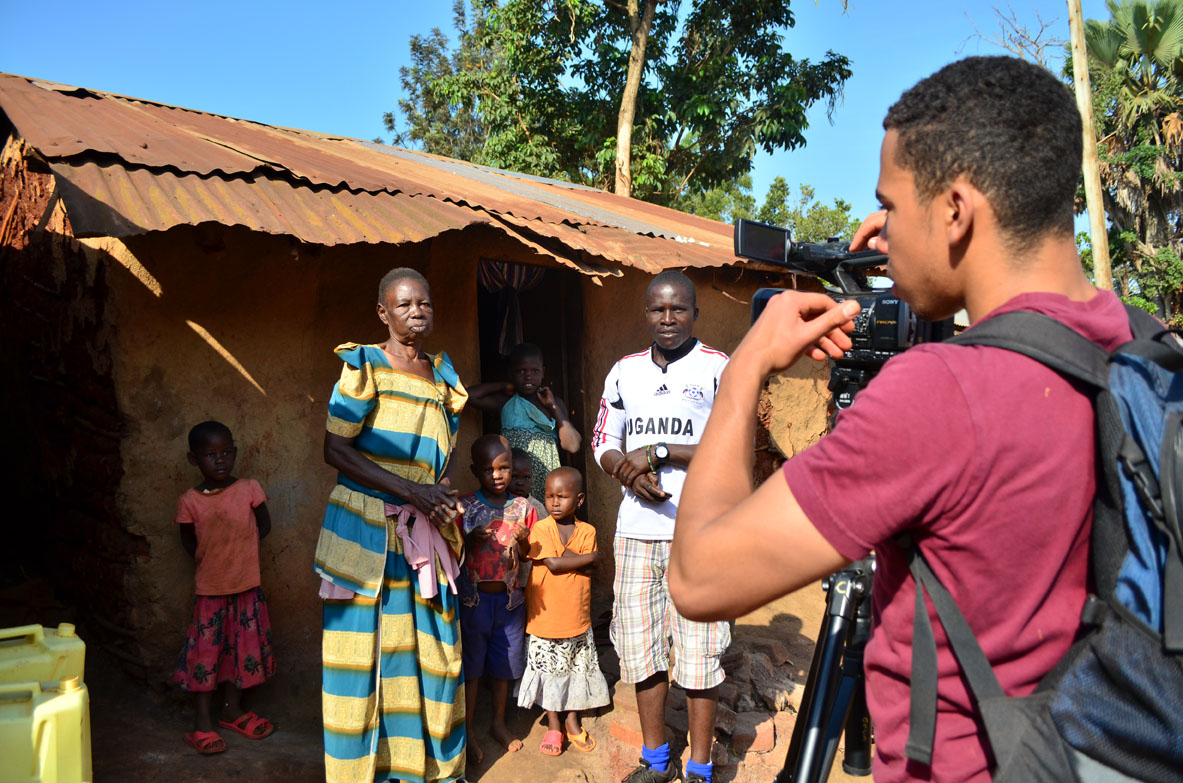
We can use visual materials as part of our research. We can take or collect photographs, video or use other art forms including murals, painting and drawing to understand more about a social issue. Visual methods can be used to illustrate or represent a problem, for example in Jinja we used photography to document waste disposal from commercial sites. Photographs were taken with a copy of the day’s newspaper everyday to record and evidence failures in council service delivery. These photographs were then used in discussions with the local and regional councils and also to engage other local stakeholders through social media.
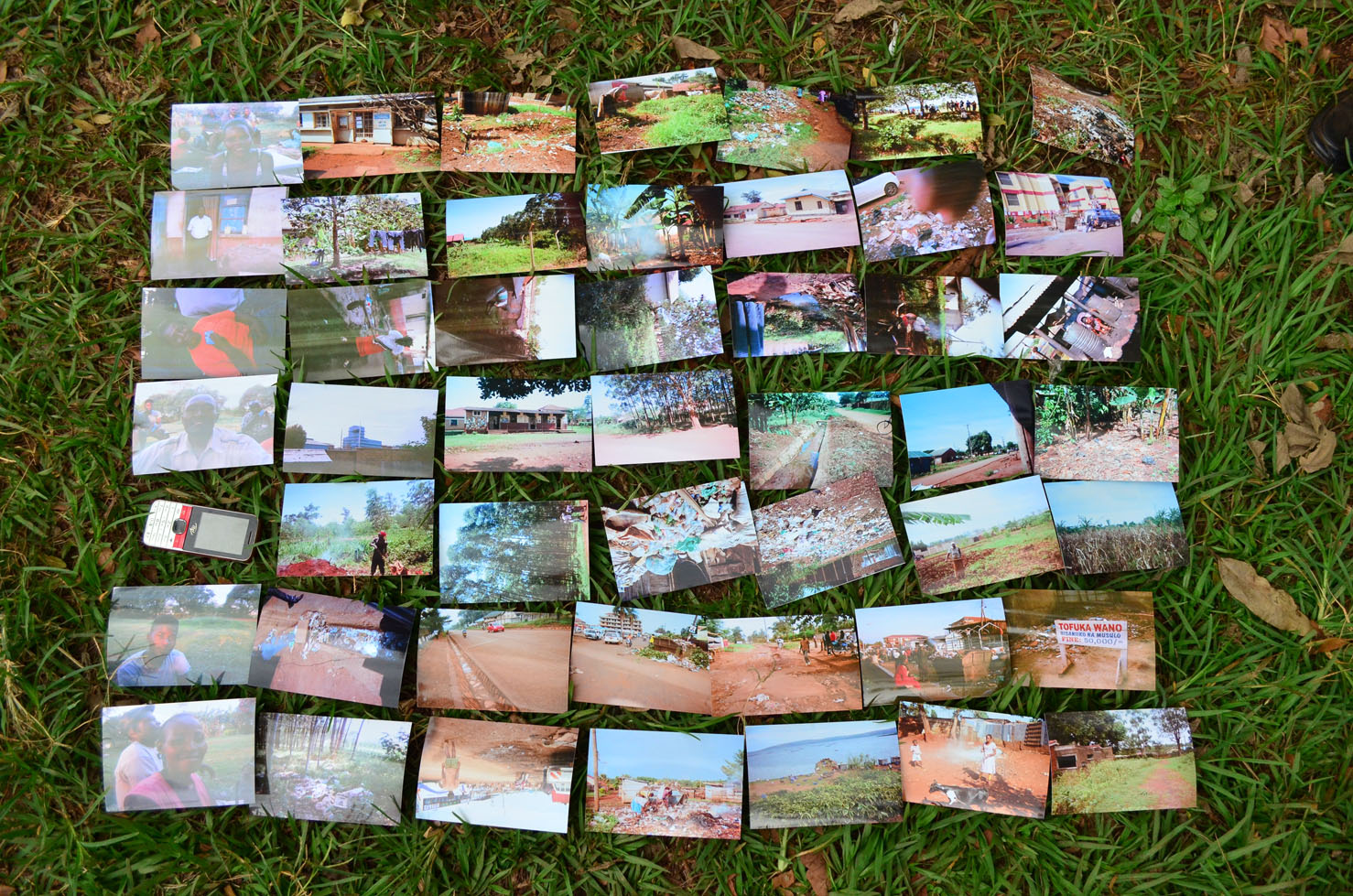
Visual methods can also be used to understand how people experience their lives. In Jinja we conducted a PhotoVoice project in which community members were trained in basic photography skills before being provided with a disposable camera. Each participant took 24 photographs over the course of a week to document their relationship with the environment. Once the photographs had been developed and printed they were returned to the community members, who chose the most important 10 photographs to present to the group as a ‘photo story’. All participants met up three days later to form a focus group. The photographs they chose to take and present and how they explained and reflected on these photographs revealed a lot about local environmental problems and how these impact on the community in different ways; from discarded plastic bags reducing soil fertility in urban gardens, to stray dogs preventing a family moving outside of their home after dark, to dangers arising from poor waste disposal by a local clinic. In a second focus group discussion participants compared their photo stories and identified key themes arising across the different sets of photographs. In a third focus group we designed some advocacy activities in which participants could use these photographs to draw attention to environmental problems with both stakeholders and their fellow communities.
Film and video can be a very effective tool for both research and activism. Film can be used to document a problem or responses to a problem. It can also be used to communicate research findings to stakeholders or community members, or to elicit responses to a particular social or environmental issue.